Bearings
Linear Bearings & Shaft
Linear Carriages
Bosch Rexroth Carriages
Quick Code: BB-529598
R162289420 KWD-020-SNS-C0-N-1 (CS) Bosch Rexroth Carriage


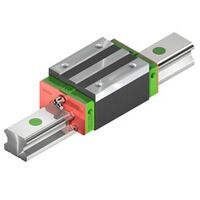
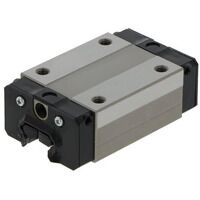
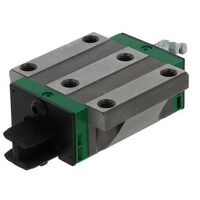
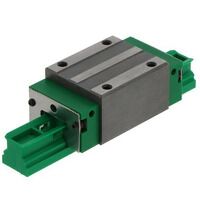
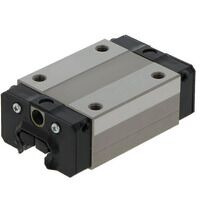
R162289420 KWD-020-SNS-C0-N-1 (CS) Bosch Rexroth Carriage
This compact linear carriage from Bosch Rexroth is engineered to deliver reliable, smooth linear motion performance in space-constrained applications. The KWD-020-SNS-C0-N-1 combines robust construction with precision ball bearing technology, making it an excellent choice for general-purpose automation and industrial machinery where standard accuracy and cost-effectiveness are primary requirements.
Key Features:
- Series: 20 series - versatile mid-range design balancing performance, size, and value
- Design: Block carriage with small design configuration for compact installation and space-efficient mounting
- Material: Carbon steel construction delivering strength, durability, and reliable load-bearing capability
- Rolling Elements: Double row ball bearings for balanced load distribution and consistent smooth operation
- Tolerance Class: Normal Class for standard accuracy requirements in general industrial applications
- Preload: Without preload configuration for reduced friction and smooth running characteristics
- Sealing: End seals protect against contamination while maintaining reliable operation and extended service life
- Maintenance: Relubrication capability via integrated lubrication nipple for extended service life and simplified maintenance
- Operating Temperature: Reliable performance across -10 to +100°C range
- Ball Chain: Without ball chain configuration
Ideal Applications:
This carriage is well-suited for general-purpose automation systems, standard production machinery, packaging equipment, material handling systems, and industrial applications where reliable linear motion, compact design, and cost-efficiency are important. The versatile small block design makes it particularly valuable for equipment retrofitting, OEM integration, and general industrial automation where space is limited and standard precision requirements are sufficient.